

Alternatives to Serro AI
Serro AI is the shared memory and coordination layer that keeps human-agent teams aligned and every program running live.
Explore 20 alternatives to Serro AI. Compare features, pricing, and find the best fit for your needs.
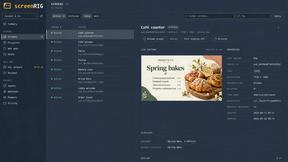
screenRIG
Signage and kiosk infrastructure for AI agents. Your agent publishes images, video, streams, web pages and apps to screens via one plugin.screenRIG is

opus55video
Opus55video turns written ideas into cinematic motion. Describe a scene, choose the format and duration, and create a striking video in a few steps.
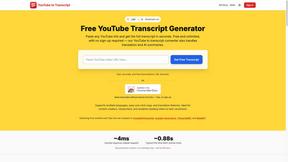
GetYouTubeTranscript
Free YouTube transcripts on the web, a Chrome extension, and an API + MCP server so AI assistants can read YouTube.








Speechyou
AI transcription for voice notes, meetings, and audio files in 1,700 languages, with AI summaries and subtitle export and unlimited chat ai usage.
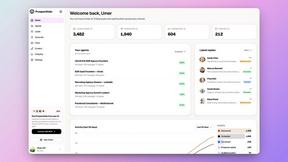
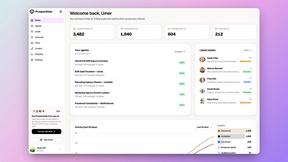
ProspectHalo
AI sales agent that finds qualified leads, runs outreach, follows up automatically, creates content, and helps book more meetings.
benchmark.directory
Independent AI tool listings: the cheapest usable plan, the real free-tier limit, tested integrations, and who trains on your work.
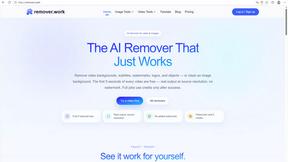

Tools Network
Curated directory of the best AI tools across 25+ categories. Compare ratings, pricing, and features to find the right one fast.


About Serro AI Alternatives
Serro AI has been making serious waves as an agentic Technical Program Manager, purpose-built to turn the chaos of scattered tools into a living, trusted memory for your entire engineering team. It sits in the AI Assistants category, but it’s far from a generic chatbot—it’s infrastructure that treats programs as first-class units of work, pulling signals from Jira, GitHub, Linear, Slack, and docs to create a real-time, shared record of goals, decisions, and dependencies. However, even with its viral appeal, the buzz around Serro has led many teams to shop around. The most common reasons users start looking for alternatives include sticker shock for scaling to enterprise Pro plans, a need for deeper integration with a specific niche tool their stack relies on, or simply wanting a lighter, less opinionated solution that doesn’t require a full TPM workflow overhaul from day one. When you’re hunting for the right alternative, the key is to focus on what actually keeps your team’s memory alive. You want a tool that doesn’t just log tasks but actively surfaces context from your meetings, chats, and code commits without you having to ask. Look for something that offers real-time status coordination that both humans and AI agents can act on, and make sure it meets your team where they already work—whether that’s inside a Slack thread, a Zoom call, or a command line. The best options will give you that same “trusted temporal program memory” vibe without forcing you to change how your team already communicates, and they should scale with you from a scrappy startup to a full enterprise without breaking the bank.
FAQs about Serro AI Alternatives
What is Serro AI?
Serro AI is an agentic Technical Program Manager (TPM) that serves as infrastructure for Program Engineering, purpose-built for the Technical Program Management function. Unlike generic task trackers or project management platforms, it treats programs as first-class units of work and turns scattered execution signals from tools like Jira, GitHub, Linear, Slack, docs, and meetings into a trusted temporal program memory. This creates a living record of shared goals, decisions, risks, dependencies, and history that both humans and AI agents can act on.
Who is Serro AI for?
Serro AI is designed for TPMs, Engineering Managers (EMs), Product Managers (PMs), and engineering leaders who need to collaboratively manage downstream program execution and agent loops. It has two tiers: Serro Pro helps enterprises scale existing TPM capacity, while Serro Lite gives earlier-stage companies AI-powered TPM capacity much earlier, so smaller teams can scale their live coordination without needing a dedicated program manager from day one.
What are the main features of Serro AI?
Serro AI’s core features include turning scattered execution signals from Jira, GitHub, Linear, Slack, docs, and meetings into trusted temporal program memory—a living record of goals, decisions, risks, dependencies, and history. It also provides real-time status coordination that both humans and AI agents can act on. Users can meet Serro where they already work by speaking to it in meetings, messaging it in chat, or commanding it from their tools, effectively acting as an always-on agentic TPM.
Why choose Serro AI over traditional project management tools?
Unlike traditional task trackers, roadmap tools, docs, dashboards, code-wikis, or generic project management platforms, Serro AI treats programs as first-class units of work rather than just collections of tasks. It solves the problem of scattered execution signals by centralizing them into a living, shared memory that captures context, history, and dependencies automatically. This allows teams to maintain continuity and coordination without constantly switching between tools or relying on manual updates, making it especially powerful for complex engineering programs.