

Alternatives to Ember
Ember delivers daily AI market predictions with transparent data and unedited records, empowering you to bet smarter in real-time.
Explore 20 alternatives to Ember. Compare features, pricing, and find the best fit for your needs.





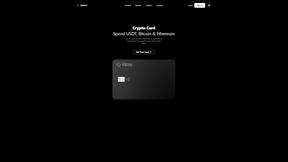
IZIPAY
IZIPAY is a virtual and physical crypto card service that lets users top up with digital assets and pay online like with a regular card.
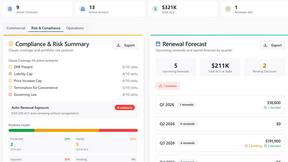
Venduris
Venduris is a renewal intelligence platform that gives mid-size companies control over SaaS & AI contract renewals before leverage disappears.

RepairYes
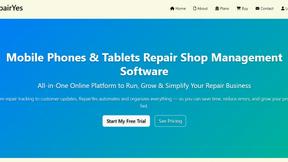
RepairYes is an integrated, cloud-based management system designed specifically for mobile phone repair service centers. It supports the entire repair
the calcolo iva
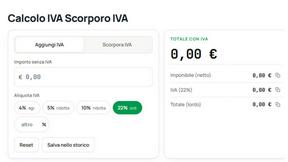
Free Italian VAT calculator and tax guides, built for freelancers and businesses.
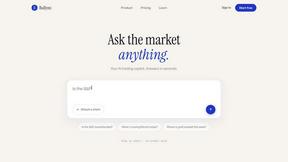
Bullynx
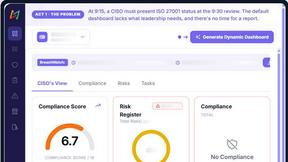
Your AI copilot that reads any chart and answers market questions in seconds, free to start with no credit card.
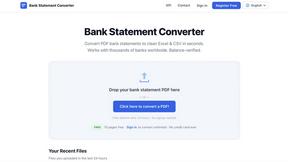
Bank Statement Engine
Convert PDF bank statements to Excel, CSV, JSON, QBO, OFX, and QIF instantly with no signup or limits.
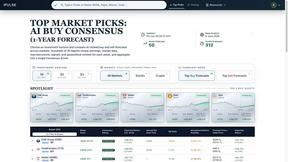
iPulse
iPulse gives you AI-powered market intelligence with real-time forecasts and risk signals trusted by thousands of traders worldwide.
About Ember Alternatives
Ember is a groundbreaking tool in the realm of financial forecasting, specifically categorized as a daily AI market call service. It leverages the power of three distinct AI models—Claude from Anthropic, Grok from xAI, and Gemini from Google—to generate independent predictions on live Polymarket markets each day. By providing transparent, timestamped calls and meticulous post-mortems on every outcome, Ember ensures that users can trust the accuracy and credibility of its predictions. This unique methodology allows users to gauge market movements with confidence, making it a valuable resource for investors and traders alike. However, as with any service, users often seek alternatives to Ember for various reasons, including pricing structures, feature sets, and specific platform needs that may not be fully met. When searching for an alternative, it's crucial for users to consider factors such as the reliability of the AI models employed, the transparency of the prediction process, and the historical accuracy of the calls. Additionally, examining user reviews and the overall user experience can provide invaluable insights into whether an alternative will meet their unique requirements. Finding the right fit is essential for making informed investment decisions.
FAQs about Ember Alternatives
What is Ember?
Ember is a public AI prediction engine that provides daily market calls based on the independent assessments of three different AI models: Claude from Anthropic, Grok from xAI, and Gemini from Google. Each morning at 7AM EST, these models analyze live Polymarket markets without consulting one another, generating predictions that are timestamped and tracked for accuracy. The platform emphasizes transparency, allowing users to see the performance of each call along with detailed post-mortems for any inaccurate predictions.
Who is Ember for?
Ember is designed for individuals and organizations interested in making data-driven investment decisions. This includes traders, investors, and market analysts who value transparency and want to leverage artificial intelligence for forecasting market trends. With its focus on independent AI predictions, Ember appeals to those who seek a reliable edge in competitive markets.
Is Ember free?
Ember's pricing structure is not explicitly stated in the provided content. Users interested in utilizing Ember should check the official website or contact customer support for detailed pricing information. The platform offers valuable insights and features that may justify a subscription fee or other costs.
What are the main features of Ember?
Ember's main features include independent market calls from three distinct AI models, timestamped predictions, and a unique tracking system using Brier scores to measure accuracy and confidence. Additionally, the platform provides post-mortems for incorrect predictions, ensuring transparency and accountability. This commitment to public records enables users to assess the performance of predictions over time.