
Image to Image AI vs Prefactor
Side-by-side comparison to help you choose the right AI tool.

Image to Image AI
Transform any image effortlessly with our AI tool, creating stunning variations in just four simple steps.
Last updated: February 28, 2026

Prefactor
Govern your AI agents with Prefactor for real-time visibility, compliance, and control in regulated industries.
Last updated: March 1, 2026
Visual Comparison
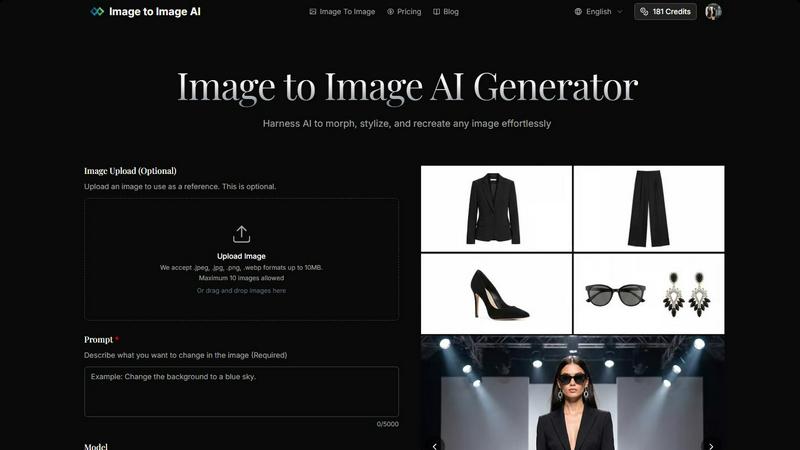
Image to Image AI
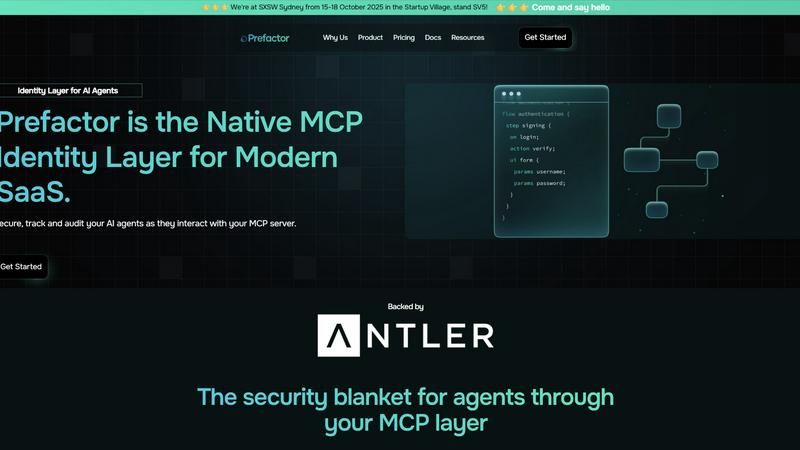
Prefactor
Feature Comparison
Image to Image AI
Powerful AI Models
Image to Image AI supports a variety of advanced models, such as Nano Banana and GPT-4o Image, allowing you to select the best fit for your project. This ensures that you can achieve optimal results tailored to your specific needs, whether for artistic expression or commercial applications.
Multiple Aspect Ratios and Resolutions
The platform offers flexibility in output by providing various aspect ratios (1:1, 16:9, 9:16, etc.) and resolutions (1K, 2K, 4K). This adaptability enables users to create visuals suited for different platforms, enhancing engagement across social media, websites, and marketing materials.
Intuitive Image Transformation Process
Creating stunning image variations is streamlined into four simple steps: upload your image, describe your desired changes, adjust settings, and generate your transformed image. This process is designed to be user-friendly, requiring no prior design experience.
High-Quality Outputs
With a focus on delivering professional-quality results, Image to Image AI ensures that the transformed images are sharp and suitable for commercial use. This means you can confidently utilize the outputs for product visualizations, marketing campaigns, and more without compromising on quality.
Prefactor
Real-Time Agent Monitoring
With Prefactor's real-time agent monitoring, organizations can track every action performed by their AI agents as it happens. This feature provides insights into which agents are active, what resources they are accessing, and where potential failures may arise. Complete operational visibility is crucial for preventing incidents before they escalate, allowing teams to proactively manage their agent infrastructure.
Compliance-Ready Audit Trails
Prefactor's audit logs go beyond mere technical records; they translate agent actions into business-contextualized insights. This feature is essential for compliance teams, enabling them to answer critical questions like "What did the agent do?" with clarity and precision, rather than relying on cryptic API calls. Every action is audited in a language that stakeholders can understand, streamlining the compliance process.
Identity-First Control
Every AI agent has a distinct identity, and Prefactor ensures that every action is authenticated and every permission is meticulously scoped. This identity-first approach applies the same governance principles that are effective for human users to AI agents, significantly enhancing security and control across the organization.
Integration Ready
Prefactor is designed to be integration-ready with various frameworks such as LangChain, CrewAI, and AutoGen. This means organizations can deploy Prefactor in a matter of hours instead of months, allowing for rapid onboarding and minimal disruption to existing workflows. This feature enables flexibility and adaptability for teams looking to enhance their AI agent capabilities quickly.
Use Cases
Image to Image AI
Marketing Campaigns
Marketers can leverage Image to Image AI to create multiple variations of campaign assets quickly. By transforming existing images, they can maintain brand consistency while exploring diverse creative directions, enhancing the overall appeal of their campaigns.
Concept Art Development
Artists and designers can utilize this tool to visualize concepts by morphing and stylizing reference images. This capability allows for rapid prototyping of ideas, making it easier to communicate and collaborate on creative projects.
Social Media Content Creation
Social media managers can generate eye-catching visuals tailored for specific platforms. By adjusting aspect ratios and styles, they can create engaging content that captures the attention of their audience, boosting interaction and engagement.
Product Visualization
E-commerce businesses can produce high-quality product images that stand out. By transforming simple photographs into polished product shots, brands can enhance their online presence and attract more customers with visually appealing listings.
Prefactor
Regulated Industries
Organizations in heavily regulated industries such as banking, healthcare, and mining can leverage Prefactor to ensure compliance is maintained at all times. With the ability to provide detailed audit trails and real-time monitoring, Prefactor allows these enterprises to operate safely without compromising on regulatory standards.
SaaS Companies
For SaaS companies that deploy AI agents for various functions, Prefactor serves as the backbone for managing agent identities and access controls. It simplifies the authentication process, allowing teams to focus on building innovative solutions rather than getting bogged down in security concerns.
Incident Response Management
In scenarios where AI agents are deployed, having real-time visibility is crucial for incident response. Prefactor enables teams to act swiftly by identifying issues before they escalate into significant problems, facilitating a proactive rather than reactive approach to managing agent performance.
Cost Optimization Analysis
With Prefactor, organizations can track and analyze agent compute costs across multiple providers. This feature is particularly beneficial for teams looking to identify costly patterns and optimize spending, ensuring that resources are utilized efficiently while maximizing performance.
Overview
About Image to Image AI
Image to Image AI is a cutting-edge platform that empowers users to transform and recreate images using advanced artificial intelligence. Designed for a diverse audience, including designers, marketers, and creative enthusiasts, this tool allows you to upload reference images or generate new visuals from text prompts. The platform boasts a user-friendly interface where you can upload multiple images, provide detailed prompts, and receive high-quality outputs in various aspect ratios and resolutions. With support for over nine AI models, including the powerful GPT-4o Image and specialized video models, you can create stunning visuals tailored to your needs. Whether you're looking to enhance product photography, craft compelling social media content, or explore artistic concepts, Image to Image AI delivers professional-grade results with unmatched efficiency. The platform operates entirely in the browser and is accessible in both English and Chinese, making it a versatile solution for users worldwide.
About Prefactor
Prefactor is the groundbreaking control plane tailored specifically for AI agents, acting as a pivotal solution for identity management, access control, and detailed audit capabilities. As AI technologies increasingly dominate critical applications across various sectors, Prefactor ensures that each agent operates within a secure and compliant framework. Its core functionalities include dynamic client registration, delegated access, and fine-grained role and attribute controls, empowering organizations to manage agent identities with unparalleled accuracy. Designed for SaaS companies and regulated enterprises, Prefactor transforms the complexities of agent authentication into a streamlined, unified layer of trust. By providing real-time visibility into agent activities and automating compliance processes, Prefactor allows teams to govern their AI agents effectively at scale while minimizing operational risks and enhancing performance.
Frequently Asked Questions
Image to Image AI FAQ
How does Image to Image differ from Text to Image generation?
Image to Image focuses on transforming existing images based on user-defined prompts, allowing for modifications while maintaining the original structure. In contrast, Text to Image generates visuals solely from textual descriptions without requiring a reference image.
What types of images work best with the transformation?
For optimal results, it is recommended to use clear images with good lighting and resolution. Images that align with your desired output aspect ratio will yield the best transformations, enhancing the overall quality of the final output.
How much control do I have over the transformation process?
Users have significant control over the transformation parameters, including the ability to specify aspect ratios, output formats, and the degree of change from the original image. This flexibility allows for precise customization according to individual project needs.
How long does the transformation process take?
The transformation process is remarkably quick, typically completing in seconds. This rapid turnaround time enables users to iterate and explore various creative directions without lengthy delays, streamlining the overall workflow.
Prefactor FAQ
What types of organizations can benefit from Prefactor?
Prefactor is ideal for a range of organizations, including SaaS companies, financial services, healthcare, and any enterprise operating in regulated industries. Its robust features cater to the unique needs of these sectors, particularly in compliance and security.
How does Prefactor ensure compliance?
Prefactor ensures compliance through its comprehensive audit trails and real-time monitoring capabilities. By translating agent actions into understandable business context, it allows organizations to readily answer compliance queries and maintain regulatory standards.
Can Prefactor integrate with existing tools?
Yes, Prefactor is designed to be integration-ready with popular frameworks such as LangChain, CrewAI, and AutoGen, allowing organizations to deploy it seamlessly within their current tech stack.
What makes Prefactor different from other control planes?
Prefactor distinguishes itself by providing a specialized focus on AI agents, offering identity-first control, real-time visibility, and compliance-ready audit trails that translate technical actions into business insights, making it a comprehensive solution for managing AI agents effectively.
Alternatives
Image to Image AI Alternatives
Image to Image AI is a web-based platform that harnesses the power of artificial intelligence to transform images and create new visuals from text prompts or reference images. It falls under the category of AI Assistants, catering to users who need high-quality imagery for various applications, from social media content to marketing campaigns. As this technology evolves, many users seek alternatives due to reasons like pricing structures, feature sets, or specific platform requirements that better align with their needs. When looking for an alternative to Image to Image AI, consider factors such as the range of models offered, the quality of the outputs, and the usability of the platform. Users should also evaluate the pricing model and whether it fits their budget, alongside the availability of customer support and community engagement. Ultimately, the right alternative should meet the user’s specific creative needs while ensuring a seamless experience.
Prefactor Alternatives
Prefactor is a groundbreaking control plane tailored for AI agents, focusing on identity management, access control, and compliance. As organizations increasingly rely on AI technologies, users often seek alternatives to Prefactor due to various reasons such as pricing, specific feature sets, or compatibility with existing platforms. Understanding the unique needs of your organization is crucial; when searching for an alternative, consider factors like scalability, ease of integration, compliance features, and the ability to provide real-time visibility and monitoring of AI agents. Choosing the right alternative involves evaluating how well the solution meets your requirements for security, governance, and performance. Look for platforms that offer robust audit capabilities, flexible user permissions, and effective monitoring tools that align with your operational goals. Ultimately, the right choice should not only address current needs but also adapt to future developments in AI governance.