
GPT Create Image vs vaethat
Side-by-side comparison to help you choose the right AI tool.

GPT Create Image
Join thousands creating stunning images just by describing them with AI.
Last updated: March 1, 2026

vaethat
Join 3D artists using Vaethat to instantly upscale and perfect architectural renders with specialized AI.
Last updated: February 28, 2026
Visual Comparison
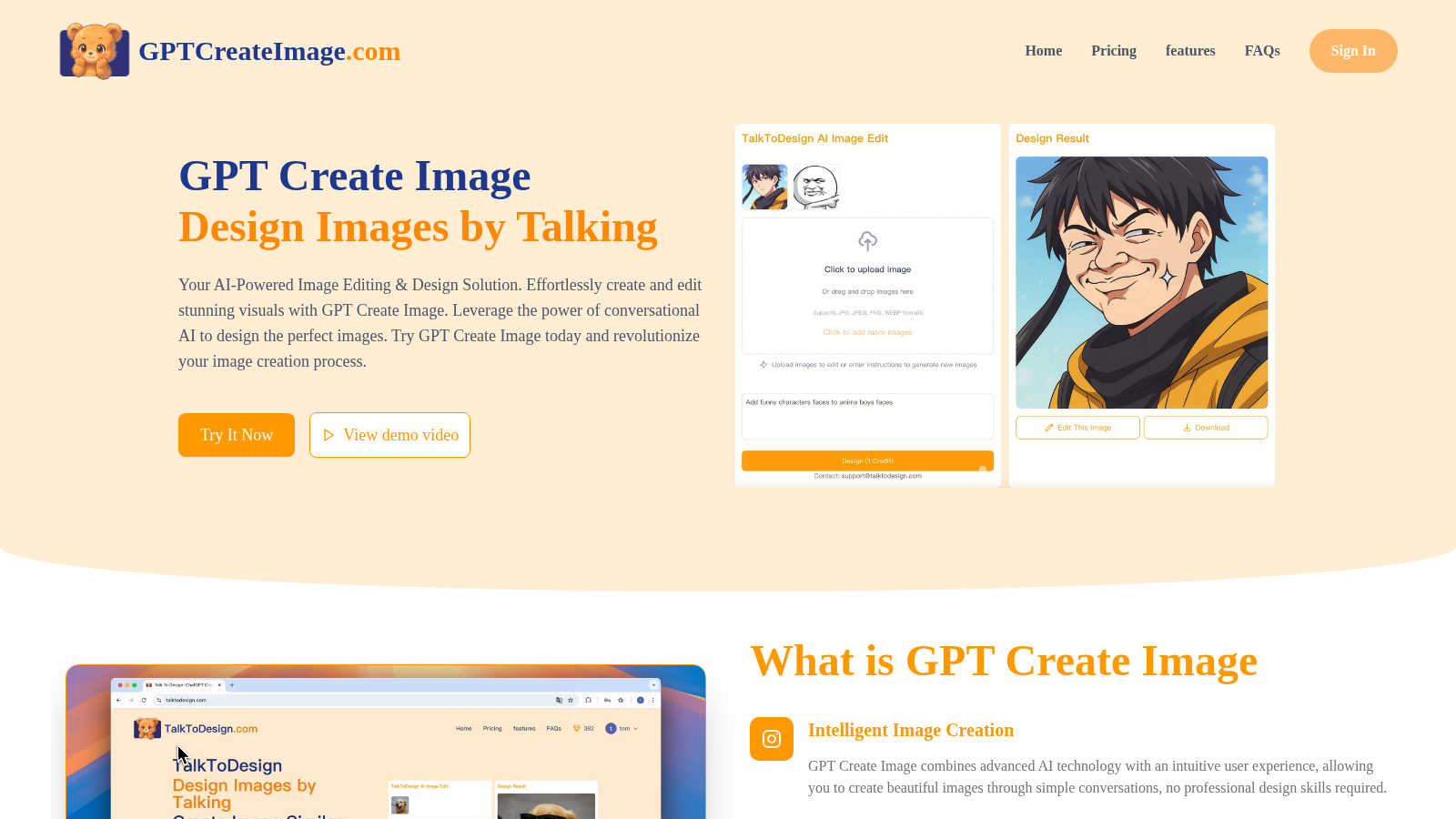
GPT Create Image
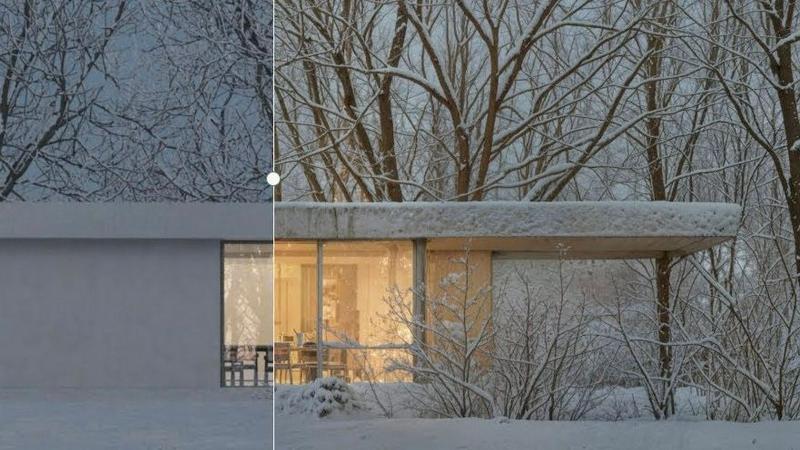
vaethat
Feature Comparison
GPT Create Image
Conversational Design Interface
This is the core magic. Simply type or speak what you want in plain English, like "make the background a sunset over mountains" or "add a playful cartoon dog in the corner," and the AI interprets your command to edit or generate the image. It eliminates all dropdown menus and technical jargon, making the process as easy as chatting with a friend.
Intelligent Image Generation & Editing
Go beyond simple filters. The advanced AI understands context and nuance, allowing for complex transformations. Describe a completely new scene to generate from scratch, or instruct it to modify existing photos—remove objects, change styles, adjust colors, or composite elements seamlessly, all through descriptive language.
Professional-Quality Output & Fine-Tuning
Get results that stand out. GPT Create Image is engineered to produce high-resolution, commercially viable visuals suitable for print, web, and social media. The platform includes fine-tuning tools that let you refine the AI's output, ensuring every detail meets professional standards and your specific creative demands.
Unlimited Image History & Commercial Rights
Your creative journey is fully documented and reusable. The platform saves your entire history of generated and edited images, allowing you to revisit, re-edit, or repurpose past work effortlessly. Crucially, you own the output, with clear commercial use rights to use your creations in client projects, marketing, and products.
vaethat
Specialized Archviz AI Engine
Unlike generic AI models, vaethat's core technology is trained exclusively on high-quality architectural visualization data. This means it inherently understands how to enhance materials like concrete and wood, refine structural edges, improve vegetation realism, and treat people and faces with natural detail. The AI knows the difference between noise and fine texture, delivering enhancements that respect and elevate the original architectural design intent with every use.
Multi-Image Project Workspace
Ditch the tedious one-by-one upload process. vaethat's powerful Multi-Image Workspace lets you drag and drop entire folders of renders from a single project. You can save sessions, apply consistent enhancement settings across all images, and upscale your entire project in one go. This revolutionary feature streamlines post-production workflows, saving hours and ensuring visual consistency across all project deliverables for clients and stakeholders.
No-Prompt, One-Click Enhancement
Forget wrestling with complex prompts and endless slider adjustments. vaethat eliminates the guesswork and wasted credits associated with general AI tools. The process is beautifully simple: upload your render, select an enhancement preset tailored for archviz, and export the stunning result. This intuitive, no-complexity approach allows professionals to focus on design, not software troubleshooting, making high-end post-production accessible to everyone.
Intelligent Detail & Artifact Cleanup
vaethat goes beyond simple upscaling to perform intelligent surgical enhancements. It meticulously refines fine textures, sharpens edges of architectural elements, and cleans up common rendering artifacts like noise, fireflies, and banding. Simultaneously, it boosts material definition, contrast, and lighting balance to add perceived depth and realism, producing flawlessly clean, crisp, and polished images ready for the biggest screens.
Use Cases
GPT Create Image
Viral Social Media Content Creation
Content creators and influencers are using GPT Create Image to rapidly produce eye-catching, trend-aligned graphics, thumbnails, and story posts. Describing a vibe like "aesthetic pink neon grid background with a laptop" delivers unique content faster than any template, helping posts stand out and drive engagement.
Effortless Marketing & Advertising Design
Marketing teams and small businesses leverage the tool to quickly generate ad banners, email graphics, and promotional materials without waiting for a designer. Simply describe the campaign concept, target audience, and key elements to get multiple professional design options in minutes.
Personal Project & Hobby Enhancement
Hobbyists, bloggers, and individuals use it to bring personal visions to life. Whether designing a custom t-shirt concept, visualizing a book cover, creating unique party invitations, or simply editing vacation photos to perfection, it turns creative ideas into reality with zero technical barrier.
Rapid Prototyping & Concept Visualization
Designers, entrepreneurs, and product developers use the platform for rapid prototyping. Quickly generate visual concepts for app interfaces, product designs, or architectural ideas by describing them. It's an invaluable tool for brainstorming, client pitches, and iterating on visual ideas before final production.
vaethat
Final Client Presentation Polish
Architects and visualizers use vaethat as the final, crucial step before presenting to clients or for competition entries. The AI enhances resolution and sharpness, making details pop on large-format displays or printed boards, while its noise cleanup ensures images look professionally finished. This last-minute polish can be the difference between a good impression and a jaw-dropping, approval-sealing presentation.
Portfolio Image Enhancement
3D artists leverage vaethat to elevate their portfolio work, making it stand out in a crowded market. By enhancing older renders or giving new projects an extra layer of crispness and realism, professionals can showcase their best possible work. The tool's ability to improve vegetation, materials, and character integration specifically highlights skills that clients look for, attracting higher-value projects.
Batch Processing for Large Projects
For studios working on large-scale developments or multi-angle interior sets, vaethat's Multi-Image Workspace is a game-changer. It allows teams to consistently enhance dozens or even hundreds of renders from a single project with uniform settings. This ensures visual coherence across all marketing materials, VR tours, and project documentation while saving an immense amount of manual editing time.
Salvaging Renders from Tight Deadlines
When rendering time is limited, artists often have to compromise on sample counts, leading to noisy or slightly soft outputs. vaethat acts as a powerful safety net, intelligently cleaning up this noise and upscaling the image to a higher resolution without the need for a time-consuming re-render. This allows professionals to meet tight deadlines without sacrificing the final image quality.
Overview
About GPT Create Image
GPT Create Image is the viral AI sensation that's completely redefining how the world creates and edits visuals. Forget complex software and steep learning curves—this revolutionary platform lets you design stunning, professional-quality images simply by having a conversation. Powered by cutting-edge conversational AI, it understands your natural language descriptions and brings your creative vision to life instantly. Whether you're a seasoned marketer needing a last-minute ad graphic, a social media influencer crafting the perfect post, or a small business owner designing a logo without a budget for a designer, GPT Create Image is your secret weapon. It's democratizing high-end design, making it accessible to everyone regardless of technical skill. Join the thousands of users who are already ditching traditional editors and unlocking a faster, more intuitive, and wildly creative workflow. This isn't just another tool; it's the future of visual creation, and it's taking the internet by storm.
About vaethat
Tired of generic AI enhancers that turn your architectural masterpiece into a noisy, over-processed mess? Welcome to vaethat, the first AI render enhancer built exclusively for architectural visualization professionals. This isn't just another upscaler; it's a specialized archviz co-pilot trusted by thousands of 3D artists and top studios worldwide to transform good renders into breathtaking, presentation-ready visuals in seconds. Vaethat's core mission is to amplify your design intent, not override it. Using AI trained on a vast, proprietary dataset of architectural imagery, it intelligently understands the unique elements of archviz—from clean geometry and material textures to realistic vegetation and human integration. The result? Unmatched clarity, sharpness, and realism without the endless prompts, confusing sliders, or wasted credits of general-purpose AI tools. Simply upload your render, pick a preset, and let the AI work its magic. It's the secret weapon for architects, visualizers, and 3D artists who demand perfection for client decks, portfolios, and final approvals, making it the fastest-growing AI tool in the archviz community today.
Frequently Asked Questions
GPT Create Image FAQ
How does GPT Create Image work?
GPT Create Image uses a sophisticated large language model (LLM) combined with a powerful image generation AI. When you describe what you want in natural language, the LLM interprets your request and translates it into detailed instructions that the image AI executes, creating or modifying the visual exactly as you envisioned.
Do I need any design experience to use it?
Absolutely not! That's the whole point. GPT Create Image is specifically designed for users with zero design or technical expertise. If you can describe what you want to see, you can create it. The conversational interface is intuitive and guides you through the process effortlessly.
Who owns the images I create with GPT Create Image?
You do. According to the provided information, images created with GPT Create Image come with commercial use rights. You retain ownership and are free to use the generated visuals in your projects, for clients, on social media, or in products without licensing issues.
What is a credit and how many do I need?
A credit is typically consumed each time you generate a new image or perform a significant edit. The Free plan offers 100 daily credits, which is perfect for trying the service and handling light to moderate usage. For high-volume creators, exploring other plans would be beneficial as your needs grow.
vaethat FAQ
What makes vaethat different from other AI image enhancers?
Vaethat is not a general-purpose AI tool; it's a specialist. Its AI is trained exclusively on architectural visualization, meaning it understands archviz-specific elements like materials, geometry, lighting, and vegetation. Unlike tools that require prompts and produce inconsistent results, vaethat offers a simple, predictable upload-and-enhance workflow that preserves your original design intent, making it the trusted choice for archviz professionals worldwide.
Can I use vaethat with V-Ray, Lumion, Enscape, and other 3D software?
Absolutely. Vaethat is a post-production tool designed to work seamlessly with any rendering software. You simply export your final render as a standard image file (like PNG or JPG) from V-Ray, Lumion, Enscape, 3ds Max, SketchUp, or any other platform, then upload it to vaethat for enhancement. It fits perfectly into your existing workflow without any compatibility issues.
Does vaethat use my uploaded renders to train its AI models?
No. Your architectural renders and intellectual property are completely secure. Vaethat does not use customer-uploaded images to train or improve its AI models. The platform's enhancement technology is powered by a pre-trained, proprietary model developed on licensed and ethically sourced data, ensuring your project visuals remain private and confidential.
What file formats does the AI upscaler support?
The vaethat AI render enhancer supports all standard high-quality image formats used in architectural visualization, including PNG, JPG/JPEG, and WebP. You can upload your renders in these formats, and the enhanced results can be exported in the same high-fidelity formats, ensuring no loss of compatibility with your presentation, portfolio, or printing software.
Alternatives
GPT Create Image Alternatives
GPT Create Image is a leading AI image generator in the content creation and design tools space. It lets anyone create and edit visuals through simple conversation, making professional design accessible without technical skills. This approach has made it incredibly popular for social media graphics, marketing materials, and personal projects. Users often explore alternatives for various reasons. Some need a different pricing model or a free tier with more generous limits. Others might seek specific features like different art styles, more control over outputs, or integration with other platforms they use daily. The search for the right tool is all about finding the perfect fit for a unique workflow and creative goals. When evaluating other options, consider core needs. Look at the quality and style of image generation, the flexibility of the editing tools, and how intuitive the interface feels. Also, check the pricing transparency, any usage limits, and the strength of the community or support around the tool. The goal is to find a platform that feels just as effortless and powerful for your specific vision.
vaethat Alternatives
Vaethat is a specialized AI tool in the design software category, built to help architectural visualization professionals upscale, refine, and enhance their 3D renders. It focuses on improving image clarity and realism while preserving the original design intent, making it a go-to for finalizing presentation-ready visuals. Archviz artists often explore alternatives for various reasons. Some seek different pricing models or subscription flexibility, while others might need specific features like batch processing or integration with their existing render pipeline. Platform compatibility, such as desktop apps versus web-based tools, also influences the search for a different solution. When evaluating other options, key factors include the quality of AI upscaling, the ability to maintain clean geometry, and tools for material and lighting enhancement. A smooth workflow and the tool's effectiveness in reducing noise and artifacts without altering the core design are also critical for professional use.