
diffray vs qtrl.ai
Side-by-side comparison to help you choose the right AI tool.

diffray
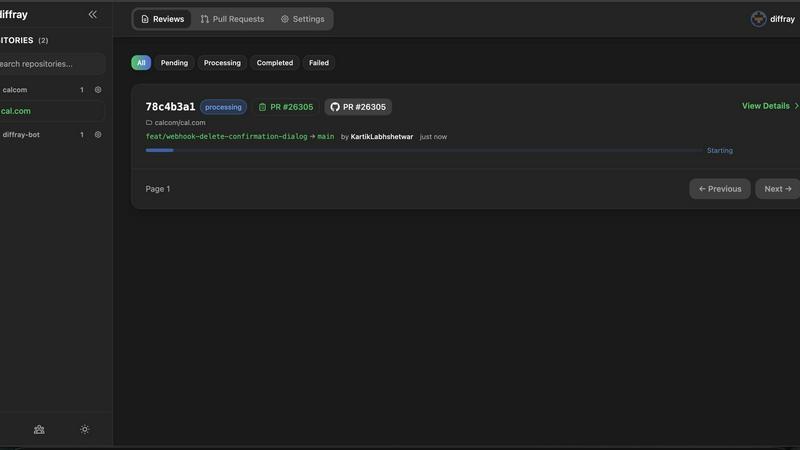
Diffray's AI code reviews catch real bugs with 87% fewer false positives, ensuring cleaner, more reliable code.
Last updated: February 28, 2026

qtrl.ai
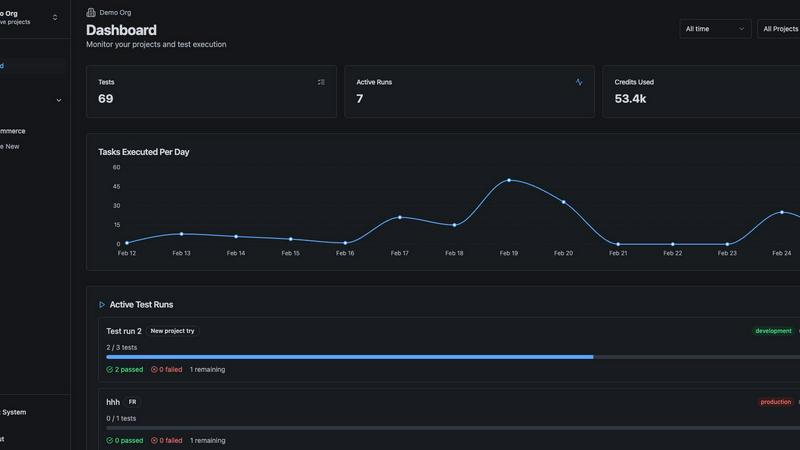
qtrl.ai empowers QA teams to scale testing with AI-driven agents while ensuring complete control and governance.
Last updated: March 4, 2026
Visual Comparison
diffray
qtrl.ai
Feature Comparison
diffray
Multi-Agent Architecture
diffray's unique multi-agent architecture includes over 30 specialized agents that each focus on different areas of code quality. This targeted approach ensures that developers receive comprehensive insights tailored to their code's specific needs, enhancing the overall review process.
Reduced False Positives
By utilizing specialized agents, diffray achieves an impressive 87% reduction in false positives. This means developers can trust the feedback they receive, allowing them to focus their efforts on addressing real issues rather than sifting through irrelevant alerts.
Speedy Review Times
With diffray, the average pull request review time is slashed from 45 minutes to just 12 minutes weekly. This significant time-saving allows development teams to be more productive and respond to changes faster, ultimately accelerating the software delivery lifecycle.
Seamless Integration
diffray integrates effortlessly with leading platforms like GitHub, GitLab, and Bitbucket. This compatibility ensures that teams can incorporate diffray into their existing workflows with minimal disruption, enhancing the overall efficiency of the code review process.
qtrl.ai
Autonomous QA Agents
qtrl.ai features autonomous QA agents that allow for on-demand or continuous execution of instructions. The agents run tests across multiple environments at scale, ensuring that operations conform to user-defined rules. Unlike other solutions, qtrl.ai utilizes real browser execution rather than simulations, providing genuine testing scenarios and results.
Enterprise-Grade Test Management
With qtrl.ai, users benefit from a robust test management system that centralizes test cases, plans, and runs. This feature provides full traceability and audit trails, supporting both manual and automated workflows. It is specifically designed to help organizations comply with regulatory standards, ensuring that quality assurance processes are both effective and accountable.
Progressive Automation
qtrl.ai supports a progressive automation approach that allows teams to start with human-written test instructions before transitioning to AI-generated tests. As teams gain confidence, qtrl.ai can suggest new tests based on coverage analysis, allowing for a review and approval process at every step. This ensures users maintain control while still benefiting from automation.
Adaptive Memory
The adaptive memory feature of qtrl.ai builds a living knowledge base of your application by learning from exploration, test execution, and identified issues. This capability drives smarter, context-aware test generation, becoming increasingly effective with each interaction and ensuring that QA processes are continually refined based on past experiences.
Use Cases
diffray
Enhanced Code Quality for Teams
Development teams looking to improve their code quality can leverage diffray's specialized feedback to catch bugs, security vulnerabilities, and performance issues early in the development cycle, leading to more robust software.
Agile Development Environments
In fast-paced agile environments, diffray helps teams streamline their pull request reviews. By providing quick and accurate feedback, developers can iterate rapidly and maintain momentum without compromising on code quality.
Continuous Integration and Deployment
For organizations practicing continuous integration and deployment, diffray's real-time code analysis ensures that code quality remains high, preventing problematic code from being merged into the main branch and reducing the risk of deployment failures.
Educational Tool for New Developers
New developers can use diffray as an educational tool to learn best coding practices. The clear, actionable feedback helps them understand code quality metrics and improve their skills over time, fostering growth and development.
qtrl.ai
Product-Led Engineering Teams
Product-led engineering teams can leverage qtrl.ai to scale their QA efforts efficiently, ensuring that testing keeps pace with rapid development cycles. With the ability to manage tests effectively and automate execution, teams can focus on delivering high-quality software faster.
QA Teams Transitioning from Manual Testing
QA teams moving away from traditional manual testing find qtrl.ai invaluable. It allows them to start with familiar manual processes and gradually incorporate automation, providing them with the tools they need to enhance their productivity without losing control.
Modernizing Legacy QA Workflows
Companies looking to modernize outdated QA workflows can utilize qtrl.ai to streamline their processes. The platform's robust features enable organizations to replace cumbersome legacy systems with a more agile and efficient testing framework.
Enterprises Requiring Governance and Traceability
For enterprises with stringent compliance requirements, qtrl.ai offers the governance and traceability needed to meet regulatory standards. Its enterprise-grade test management and audit capabilities ensure that all quality assurance activities are transparent and accountable.
Overview
About diffray
diffray is an innovative AI code review tool that is set to transform how developers approach pull requests. Unlike conventional code review solutions that often utilize a one-size-fits-all model, diffray leverages a groundbreaking multi-agent architecture featuring over 30 specialized agents. Each agent is dedicated to scrutinizing specific aspects of code quality, including security, performance, bugs, and SEO. This focused methodology leads to a staggering 87% reduction in false positives, making it easier to pinpoint genuine issues. Developers can significantly cut down their pull request review times from an average of 45 minutes to just 12 minutes weekly, enabling teams to be more agile and efficient. Perfect for organizations that place a high value on code quality, diffray integrates effortlessly with popular platforms like GitHub, GitLab, and Bitbucket. With its clear and actionable feedback, along with a contextual understanding of your unique codebase, diffray empowers developers to concentrate on what matters most: delivering high-quality software that meets user needs and expectations.
About qtrl.ai
qtrl.ai is an innovative quality assurance (QA) platform tailored for modern software development teams seeking to enhance their QA processes without compromising governance and control. It uniquely merges enterprise-grade test management with cutting-edge AI automation, facilitating a seamless transition from manual to automated testing. At its core, qtrl.ai serves as a centralized hub for organizing test cases, planning test runs, and tracing requirements to coverage. This comprehensive approach enables teams to track quality metrics through real-time dashboards, ensuring transparency into testing status, pass rates, and potential risks.
What sets qtrl.ai apart is its progressive AI layer that enables teams to adopt automation at their own pace. With capabilities that allow for both manual test management and the gradual introduction of autonomous agents, users can generate UI tests from simple English descriptions. These agents maintain tests as applications evolve, executing them across multiple browsers and environments, making qtrl.ai ideal for product-led engineering teams, QA groups transitioning from manual testing, and enterprises with stringent compliance needs. Ultimately, qtrl.ai is on a mission to bridge the gap between the slow, meticulous process of manual testing and the complexity of traditional automation, providing a reliable pathway to faster, smarter quality assurance.
Frequently Asked Questions
diffray FAQ
How does diffray reduce false positives?
diffray minimizes false positives by using a multi-agent architecture where each agent is specialized in different aspects of code quality. This targeted approach allows for more accurate assessments and helps developers focus on real issues.
Can diffray integrate with my existing tools?
Yes, diffray seamlessly integrates with popular platforms like GitHub, GitLab, and Bitbucket, allowing teams to incorporate it into their existing workflows without disruption.
What kind of feedback can I expect from diffray?
Users can expect clear, actionable feedback that highlights specific areas of concern, such as security vulnerabilities, performance bottlenecks, and potential bugs, enabling developers to make informed decisions on code improvements.
Is diffray suitable for small teams or just large organizations?
diffray is designed to be beneficial for teams of all sizes. Whether you are part of a small startup or a large organization, diffray's features can help improve code quality and efficiency across the board.
qtrl.ai FAQ
What types of teams benefit most from qtrl.ai?
qtrl.ai is designed for product-led engineering teams, QA teams scaling beyond manual testing, enterprises needing governance and traceability, and companies modernizing legacy QA workflows, ensuring it meets the diverse needs of various organizations.
How does qtrl.ai ensure transparency in its testing processes?
With features like full traceability, audit trails, and real-time dashboards, qtrl.ai provides clear visibility into testing status, pass rates, and potential risks, enabling teams to maintain oversight throughout their QA processes.
Can I start with manual testing and transition to automation with qtrl.ai?
Absolutely! qtrl.ai allows teams to begin with manual test management and progressively adopt automation as they gain confidence. This enables a smooth transition without the pressure of immediate full automation.
What security measures does qtrl.ai implement?
qtrl.ai is built with enterprise-ready security features, including permissioned autonomy levels and full agent visibility. This ensures that sensitive data remains protected and that all QA activities comply with security standards.
Alternatives
diffray Alternatives
Diffray is an innovative AI code review tool that sets a new standard in the development landscape. By employing a unique multi-agent architecture with over 30 specialized agents, it provides targeted feedback that enhances code quality while significantly reducing false positives. Developers often find themselves seeking alternatives as they navigate various factors such as pricing, feature sets, integration capabilities, and specific platform needs. As teams evolve, their requirements may shift, prompting them to explore options that better fit their workflows or budget constraints. When searching for a diffray alternative, it’s crucial to consider factors like the level of customization offered, the ability to integrate seamlessly with existing tools, and the overall user experience. Look for solutions that provide actionable feedback, maintain context awareness of your codebase, and deliver a streamlined review process. This will ensure that your team can continue to focus on producing high-quality software without unnecessary interruptions.
qtrl.ai Alternatives
qtrl.ai is an innovative quality assurance platform that leverages AI to help software teams enhance their testing processes while maintaining full control and governance. This tool combines robust test management capabilities with intelligent automation, making it ideal for organizations looking to streamline their QA efforts. Users often seek alternatives to qtrl.ai due to reasons such as pricing, specific feature requirements, or the need for compatibility with existing platforms. When searching for a suitable alternative, it's essential to consider factors like scalability, user-friendliness, integration capabilities, and the overall effectiveness of the automation features. A good alternative should not only meet your immediate needs but also align with your long-term goals for quality assurance and software development.